

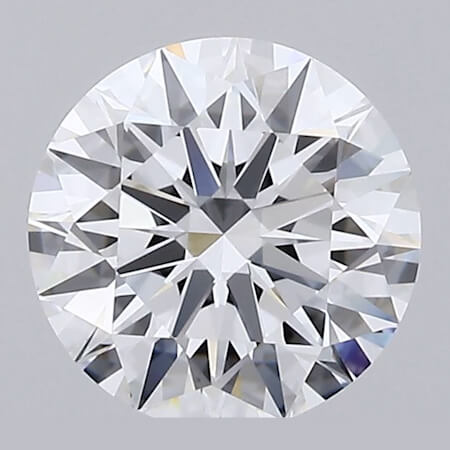
Diamonds have long symbolized love, dedication, and prestige. For centuries, natural diamonds were the go-to gemstone for engagements, heirlooms, and exceptional jewelry. But over the last few decades, technological advances have delivered a modern alternative: lab grown diamonds. As customers become more knowledgeable and ethically conscious, the debate between lab grown vs natural diamonds is gaining momentum. Are lab created diamonds the future of fine jewelry, or do natural diamonds still hold their crown? This article explores the key differences, benefits, and considerations when selecting between these two dazzling options.
Table of Contents
Understanding the Basics
Before diving into comparisons, it’s crucial to clearly define both types:
Natural Diamonds
Natural diamonds are formed over billions of years deep in the Earth’s mantle. Subjected to extreme heat and pressure, carbon atoms slowly crystallize into the diamonds we see today. These gemstones are extracted through mining operations across the globe, from Africa to Russia to Canada.
Lab Grown Diamonds
Lab grown diamonds, also called lab created or synthetic diamonds, are produced in laboratories using high-tech techniques that replicate the natural formation of diamonds. The two primary methods used are High Pressure High Temperature (HPHT) and Chemical Vapor Deposition (CVD). These diamonds are chemically, physically, and optically identical to their natural counterparts.
Appearance and Quality: Can You Tell the Difference?
One of the most common questions people ask is: Can you tell a lab grown diamond from a natural one?
To the naked eye—and even under most jeweler’s loupes—the answer is no. Lab created diamonds have the same hardness, brilliance, and sparkle as natural diamonds. In fact, both types are graded using the same standards: the 4Cs (cut, clarity, color, and carat weight) established by the Gemological Institute of America (GIA) and other major gemological labs.
However, lab grown diamonds may contain different types of inclusions or growth patterns visible only under specialized equipment. Jewelers use these microscopic features to distinguish origin—not quality.
In terms of aesthetics, whether a diamond was born in the Earth or in a lab, it will look equally stunning—if well cut.
Price and Value: What’s the Cost Difference?
One of the most significant factors influencing consumer preference in the lab grown vs natural diamonds conversation is price.
Lab grown diamonds typically cost 40–60% less than natural diamonds of comparable size and quality. This price difference is not due to a lack of value or beauty in lab created stones, but rather to supply dynamics and production efficiency. Natural diamonds are rare, and their extraction involves complex logistics and high environmental costs. Lab diamonds, on the other hand, can be produced more consistently and quickly, reducing their market price.
While lab created diamonds offer excellent value upfront, it’s important to consider long-term resale and appraisal. Natural diamonds tend to retain their value better over time, particularly for rare stones. The resale market for lab grown gems is still developing, and prices can fluctuate more dramatically.
Ethical and Environmental Considerations
A major reason lab created diamonds have gained popularity is the growing consumer focus on sustainability and ethical sourcing.
Natural Diamond Concerns
Conflict Diamonds
Though the industry has made strides with initiatives like the Kimberley Process, some natural diamonds still come from regions with questionable labor practices or are used to finance conflict.
Environmental Impact
Diamond mining is resource-intensive, involving deforestation, water use, and the disruption of ecosystems.
Lab Grown Diamonds
Ethical Production
Lab diamonds are free from the risks associated with conflict zones. They’re typically produced in controlled, regulated environments.
Smaller Footprint
Creating lab diamonds generally requires fewer natural resources. However, they are not entirely without environmental impact—especially if the production relies on fossil fuels. Some manufacturers now use renewable energy to create genuinely eco-friendly diamonds.
Consumers who prioritize sustainability and ethical practices often lean toward lab grown options for peace of mind.
Sentimental and Emotional Value
For many, a diamond’s story contributes as much to its value as its clarity or cut.
Natural diamonds come with a romantic appeal—having formed over billions of years beneath Earth’s crust, they carry a sense of timelessness. For traditionalists and those who place value on rarity and nature’s craftsmanship, natural diamonds remain unmatched.
Conversely, lab grown diamonds align with modern values: innovation, ethics, and accessibility. Many younger buyers—especially Millennials and Gen Z—are embracing lab created stones as a reflection of their beliefs.
Ultimately, the emotional significance of a diamond comes down to personal perception. Whether grown in a lab or mined from the Earth, a diamond can symbolize eternal love if chosen with intention.
Certification and Disclosure
Whichever diamond you choose, ensure it comes with reliable certification. Reputable labs such as GIA, IGI (International Gemological Institute), and AGS (American Gem Society) provide detailed reports outlining a diamond’s origin, cut, clarity, color, and carat weight.
Transparency is essential. Ethical jewelers will always disclose whether a diamond is lab created or natural. As the lab grown vs natural diamonds conversation continues to evolve, clear labeling helps maintain trust between buyers and sellers.
Customization and Availability
Lab grown diamonds offer a unique advantage: customization.
Because they can be made to order, consumers often have more flexibility with color, cut, and size when selecting a lab diamond. Want a rare fancy blue or pink diamond? These can be created more affordably in a lab than found in nature.
Natural diamonds, especially rare or unusually large ones, may require longer lead times or be difficult to find. Lab diamonds provide quicker access to a wider range of options—a key benefit for bespoke designs or tight schedules.
Conclusion: Which Diamond Is Right for You?
In the end, the choice between lab created and natural diamonds is deeply personal. If you’re drawn to tradition, rarity, and long-term value, a natural diamond may better align with your preferences. If you prioritize ethics, affordability, and modern innovation, lab created diamonds could be your perfect match.
Both types offer striking beauty and lasting durability. And with increased awareness, consumers no longer have to choose blindly. By understanding the differences and considering what matters most to you—whether it’s budget, sustainability, or emotional significance—you can choose a diamond that shines as brightly as your values.


